Underbrush Clearing in Salt Lake City, UT
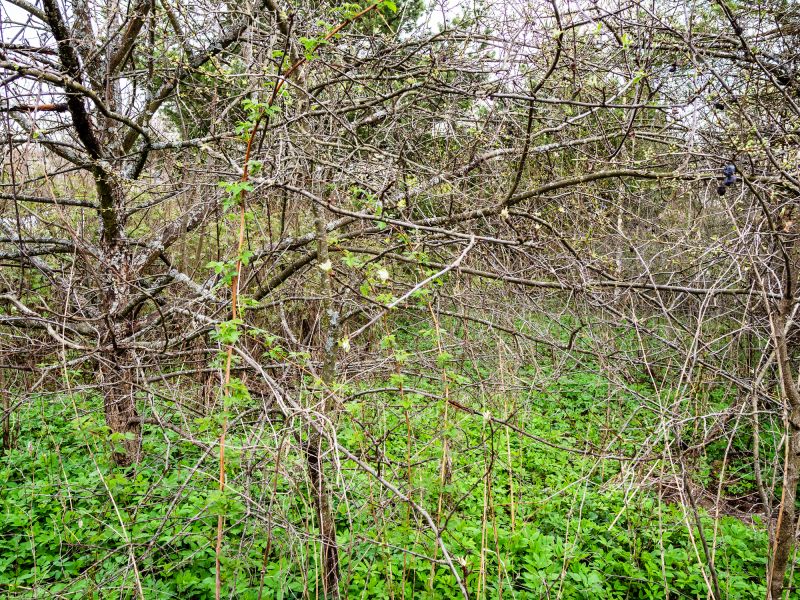
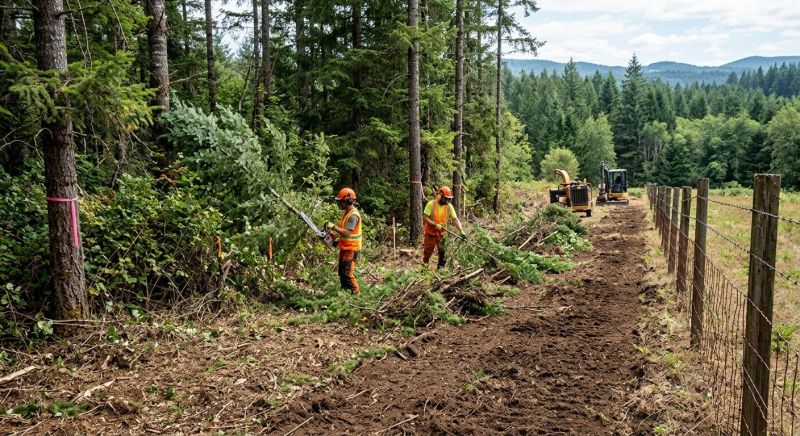
Underbrush clearing services involve the removal of dense, overgrown vegetation, including shrubs, small trees, and tangled undergrowth, to improve the safety, appearance, and usability of a property. This type of work is often requested for projects such as preparing land for new landscaping, creating firebreaks in wooded areas, or maintaining open spaces around homes and properties. Property owners typically want to understand the extent of clearing needed, the types of vegetation that can be removed, and how the process may impact existing landscaping or natural features before requesting service.
Before requesting underbrush clearing, homeowners should consider the size of the area, the density of the vegetation, and any local regulations regarding tree or plant removal. It’s also helpful to determine if there are any protected plants or structures nearby that might require special attention. Clarifying these details can ensure the clearing process aligns with property goals and avoids any unforeseen complications.
Many property owners in Salt Lake City, UT look into Underbrush Clearing for repairs, replacements, upgrades, and appearance-related improvements.
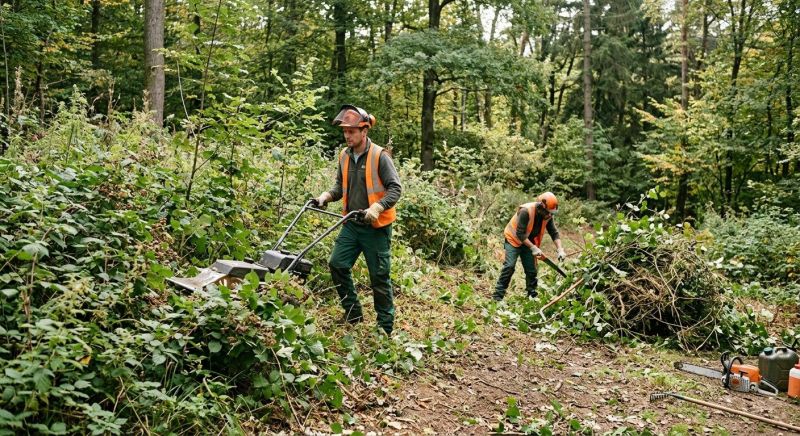
Clearing Overgrown Areas
Removing dense underbrush to improve property access and safety.
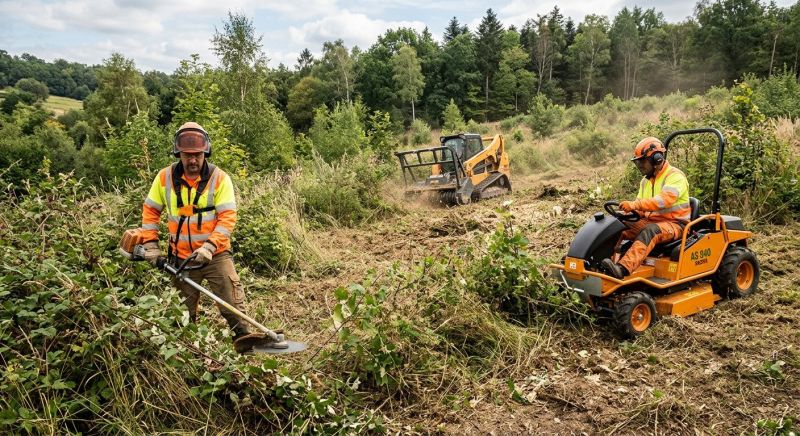
Maintaining Landscape Health
Controlling underbrush to prevent pests and protect existing plants.
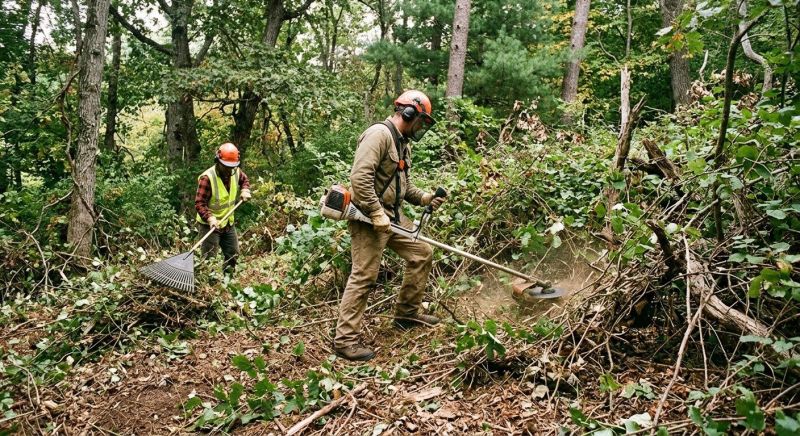
Preparing Land For Projects
Clearing underbrush to create a clean space for construction or landscaping in salt lake city, ut.
Underbrush Clearing in Salt Lake City, UT
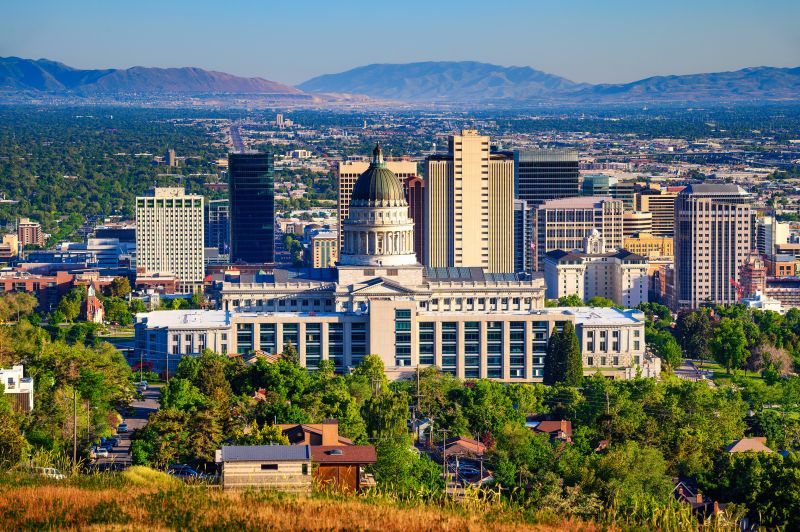
Underbrush clearing services involve the removal of dense, overgrown vegetation, including shrubs, small trees, and tangled undergrowth, to improve the safety, appearance, and usability of a property. This type of work is often requested for projects such as preparing land for new landscaping, creating firebreaks in wooded areas, or maintaining open spaces around homes and properties. Property owners typically want to understand the extent of clearing needed, the types of vegetation that can be removed, and how the process may impact existing landscaping or natural features before requesting service.
Before requesting underbrush clearing, homeowners should consider the size of the area, the density of the vegetation, and any local regulations regarding tree or plant removal. It’s also helpful to determine if there are any protected plants or structures nearby that might require special attention. Clarifying these details can ensure the clearing process aligns with property goals and avoids any unforeseen complications.
Many property owners in Salt Lake City, UT look into Underbrush Clearing for repairs, replacements, upgrades, and appearance-related improvements.
Common Underbrush Clearing Jobs
Brush Removal - clearing overgrown underbrush to improve yard visibility and access.
Wildfire Prevention - reducing combustible vegetation to lower fire risk around properties.
Landscape Maintenance - maintaining a tidy appearance by removing excess undergrowth and debris.
Trail and Path Clearing - creating safe, accessible walkways through wooded or brush-covered areas.
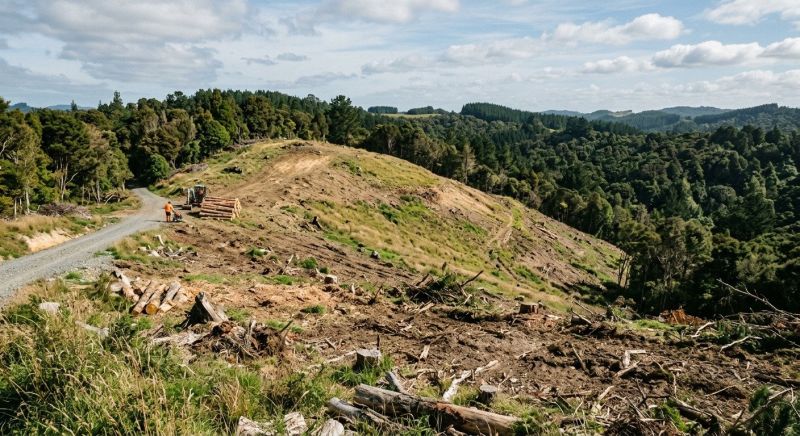
Property Clearing - preparing land for construction, gardening, or other development projects.
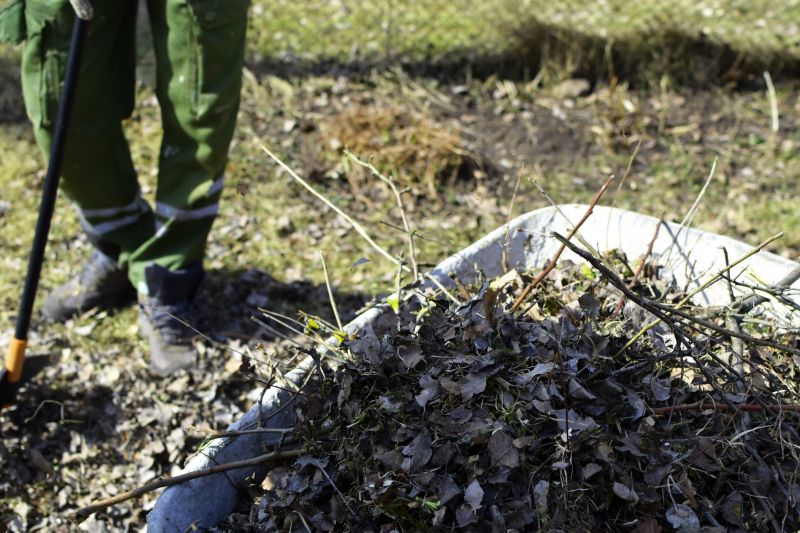
Storm Debris Cleanup - removing fallen branches and brush after severe weather events.
Underbrush Clearing Questions
What is underbrush clearing? Underbrush clearing involves removing shrubs, small trees, and dense vegetation to improve visibility and access on a property.
Why is underbrush clearing important? Clearing underbrush reduces fire risk, discourages pests, and enhances the overall appearance of the landscape.
What types of properties benefit from underbrush clearing? Residential yards, farms, and commercial properties with overgrown or unmanaged vegetation are common candidates.
When should underbrush clearing be performed? It is typically done when vegetation becomes dense or before planting new landscaping to prepare the area.
Request Underbrush Clearing in Salt Lake City, UT
Use the quote form on this page to share the basics of your project and request more information for the type of work you need.