Optimal Timing for Landscape Rock Removal

Spring offers moderate temperatures and dry conditions, making it ideal for safe and efficient rock removal projects.
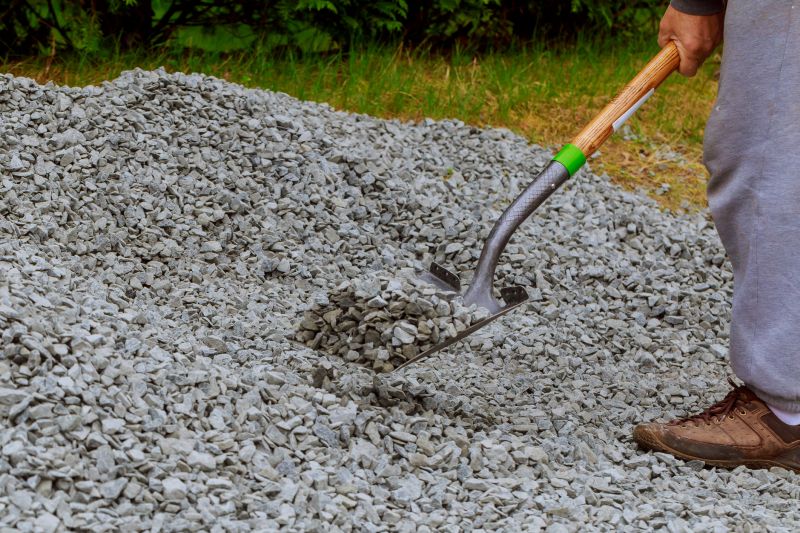
Summer's warm weather can facilitate quick work, but high temperatures may require additional precautions during removal.

Fall and winter can be suitable if weather remains dry, but cold temperatures and moisture can complicate removal efforts.

Ways to make Landscape Rock Removals work in tight or awkward layouts.

Popular materials for Landscape Rock Removals and why they hold up over time.

Simple add-ons that improve Landscape Rock Removals without blowing the budget.

High-end options that actually feel worth it for Landscape Rock Removals.

Finishes and colors that play nicely with Landscape Rock Removals.
Landscape rock removals involve the extraction of rocks from outdoor settings to improve aesthetics, safety, or functionality of a landscape. Optimal timing depends on weather conditions, soil moisture, and project scope. Proper scheduling ensures safety, reduces environmental impact, and minimizes disruption to surrounding areas.
Statistics indicate that approximately 65% of landscape rock removal projects are completed during spring and early summer, due to favorable weather and soil conditions. Planning removals during these periods can help avoid delays caused by rain, snow, or extreme heat. Additionally, dry soil conditions facilitate easier excavation and transportation of rocks.
Rain and snow can hinder removal efforts by making soil muddy and slippery, increasing safety risks.
Dry soil allows for easier excavation; overly wet soil can cause ground instability.
Moderate temperatures help prevent equipment overheating and worker fatigue.
Avoiding removal during heavy storms reduces the risk of erosion and landscape damage.

Little measurements that prevent headaches on Landscape Rock Removals day.
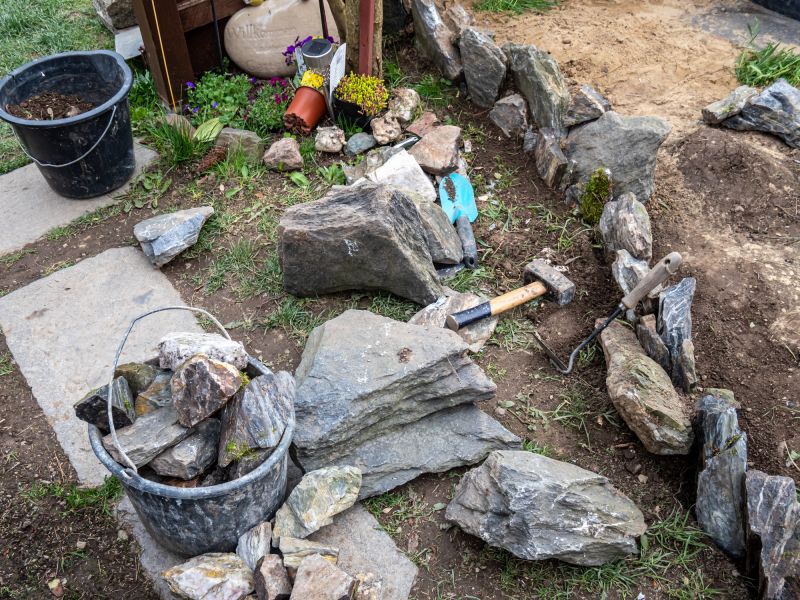
A 60-second routine that keeps Landscape Rock Removals looking new.
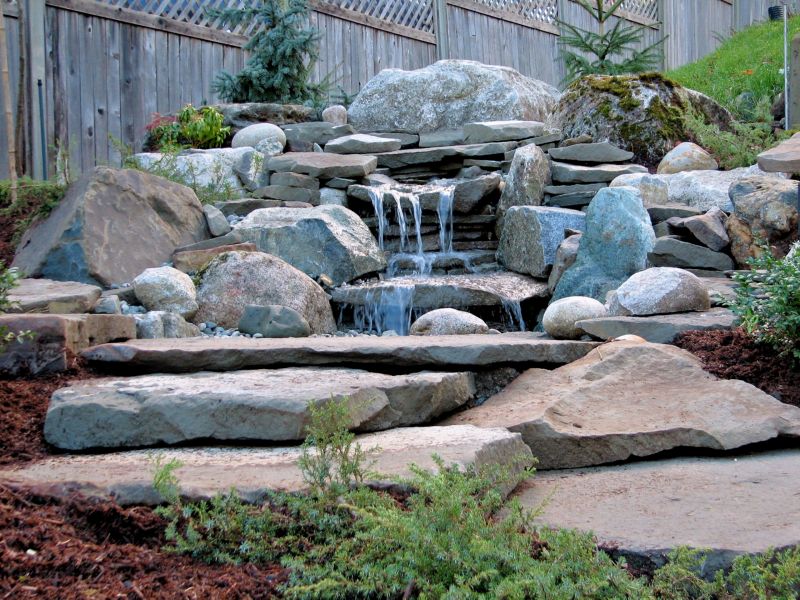
A frequent mistake in Landscape Rock Removals and how to dodge it.
Small tweaks to make Landscape Rock Removals safer and easier to use.

Lower-waste or water-saving choices for Landscape Rock Removals.
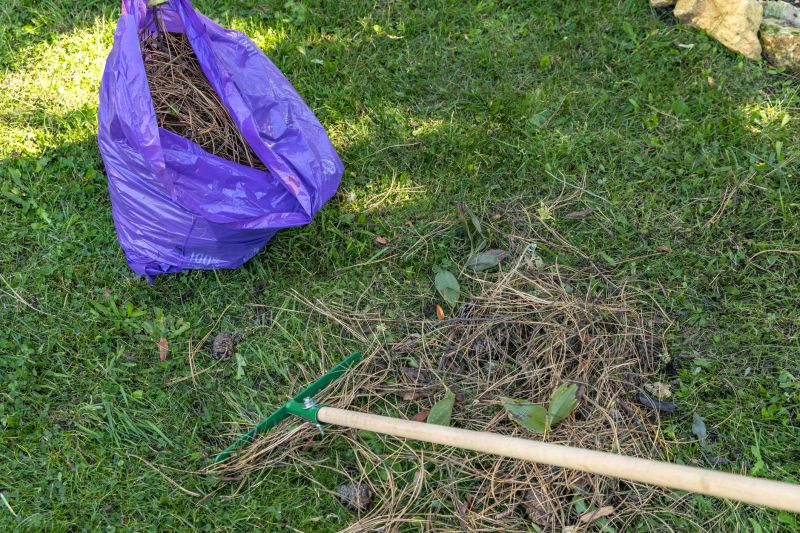
The short, realistic tool list for quality Landscape Rock Removals.
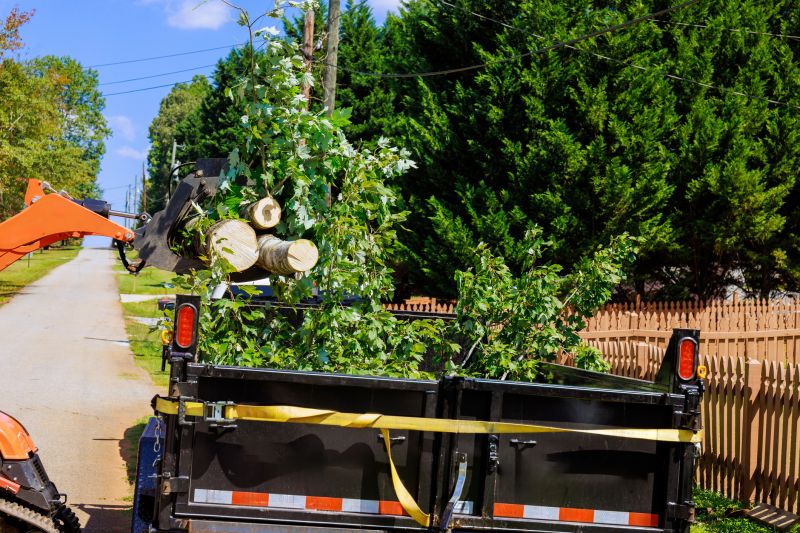
Rough timing from prep to clean-up for Landscape Rock Removals.
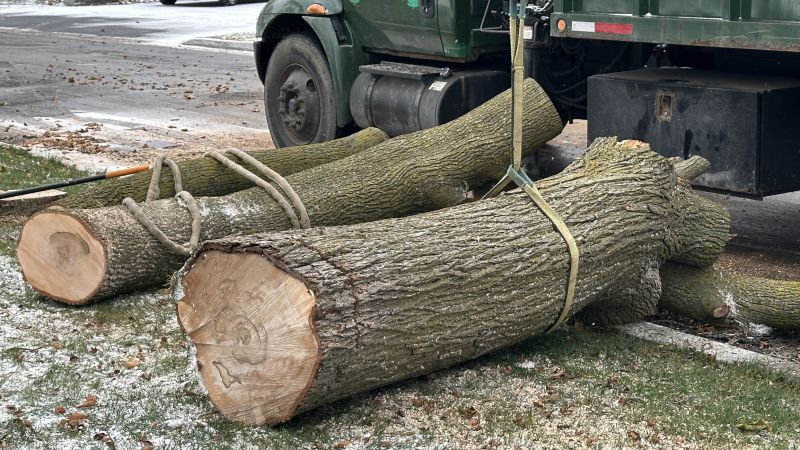
Quick checks and paperwork to keep after Landscape Rock Removals.
| Season | Ideal Conditions |
|---|---|
| Spring | Moderate temperatures, dry soil, minimal rain |
| Summer | Warm weather, longer daylight hours, but watch for heat |
| Fall | Cooler temperatures, dry conditions, fewer storms |
| Winter | Potentially suitable if weather remains dry and ground is not frozen |
| Late Spring | Optimal for early season projects |
| Early Fall | Good for late season projects |
Choosing the right time for landscape rock removal can improve safety, reduce costs, and ensure a smoother process. Proper planning around seasonal weather patterns is essential for successful execution.
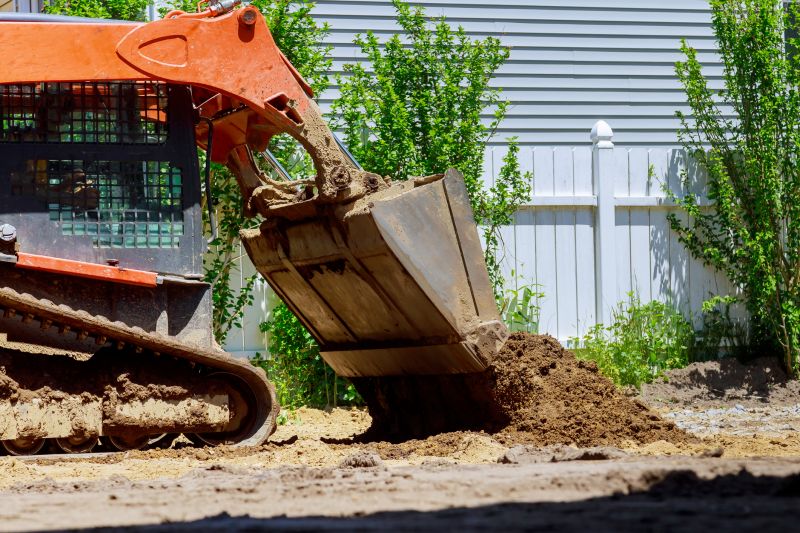
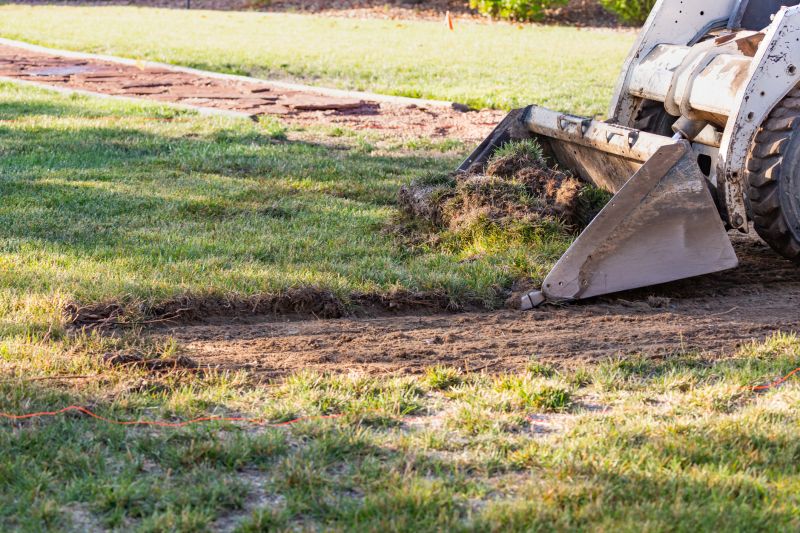
Heavy machinery is often used for efficient extraction, especially in larger projects.
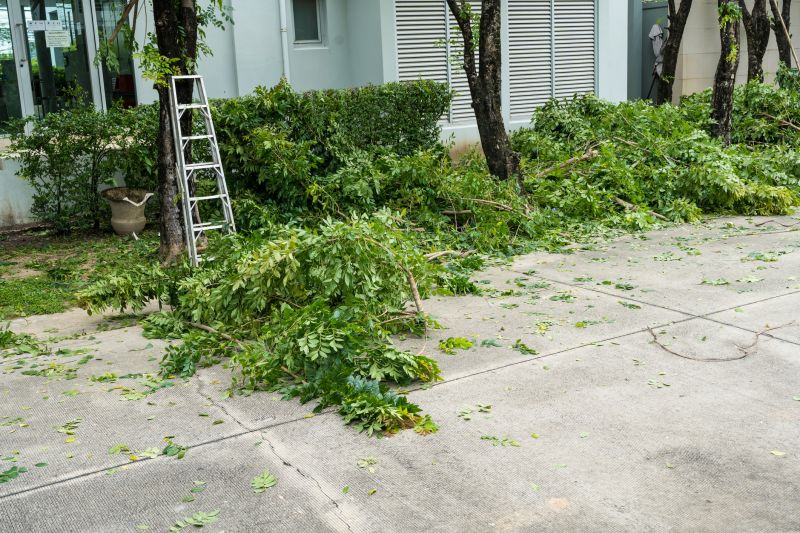
Initial landscape with rocks in place before removal process begins.
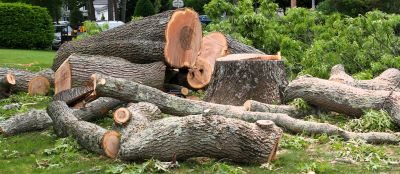
Cleaned landscape ready for new design or planting.
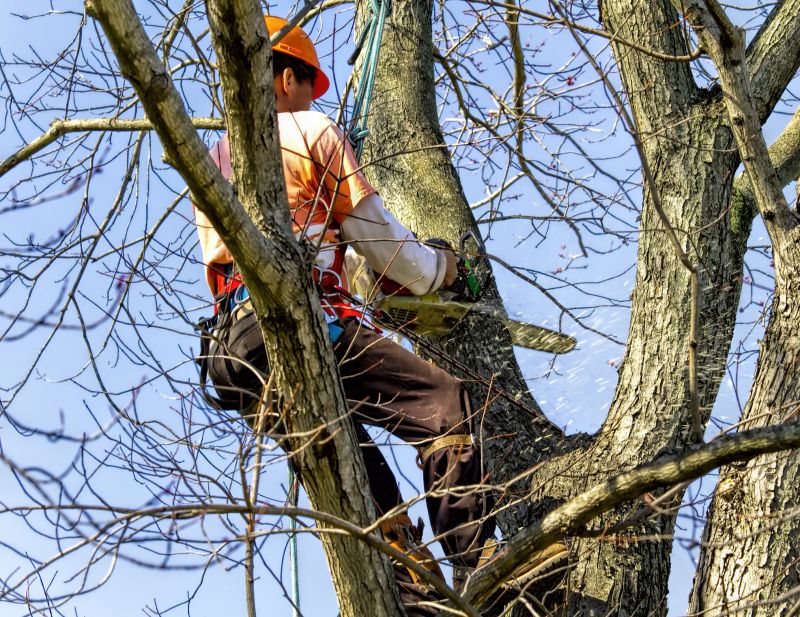
Proper safety equipment is essential during removal activities.
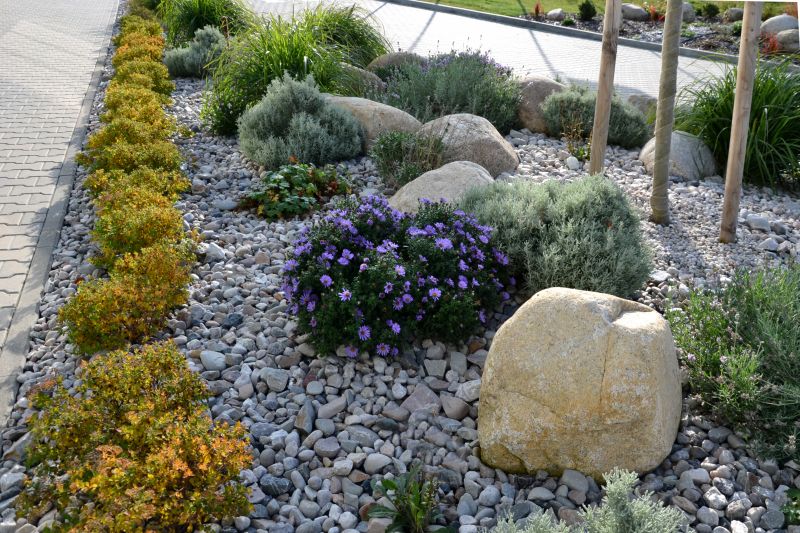
Examples that show the impact a good Landscape Rock Removals can make.
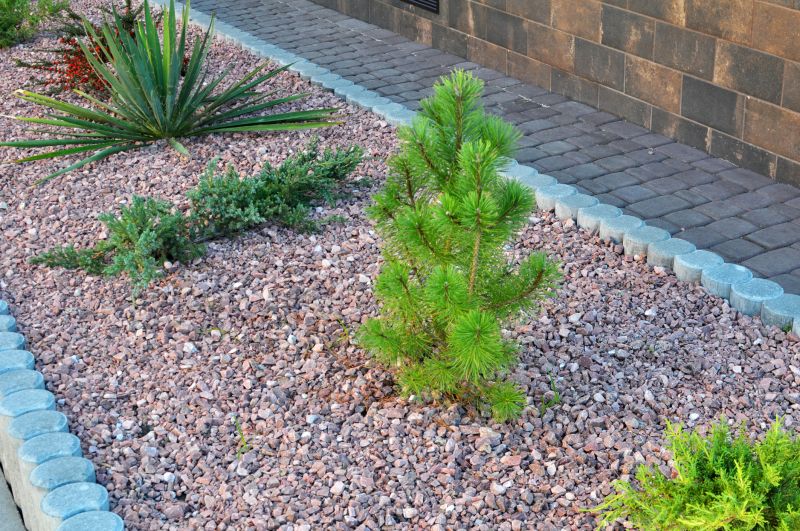
Ways to make Landscape Rock Removals work in tight or awkward layouts.

Ways to make Landscape Rock Removals work in tight or awkward layouts.

Ways to make Landscape Rock Removals work in tight or awkward layouts.
Interested parties are encouraged to contact for more information on scheduling landscape rock removals at the optimal time for specific project needs.